A Look at the Main Types of Work Trailers
Understanding the Different Work Trailer Types
For anyone in construction, landscaping, farming, or general contracting, a work trailer is often the backbone of daily operations. It hauls materials, transports equipment, and sometimes even serves as a mobile workspace. But not all work trailers are built the same. The right choice depends on the load you carry, how often you move it, and the conditions you work in. This article breaks down the most common types of work trailers, what they do best, and what to consider before buying.
Dump Trailers
Dump trailers are among the most practical trailers for loose materials like gravel, sand, mulch, dirt, or demolition debris. What sets them apart is the dump bed. A hydraulic lift tilts the bed to let the load slide out the back. This simple mechanism saves hours of shoveling. You pull a lever or press a remote, and the bed rises. The load empties in seconds. Dump trailers come in various sizes, from small units that tow behind a pickup to larger models that need a heavy-duty truck.
When choosing a dump trailer, consider the type of material you haul most. For dry, flowing materials, a standard dump bed works fine. For sticky or wet loads, a steep bed angle and a smooth interior finish help the material slide out. Some dump trailers also offer a spreader gate. That attachment lets you control how fast material releases, useful for spreading gravel or salt evenly. Dump trailers are not ideal for long, awkward items like lumber or pipes. For that, you might look at flatbed or utility trailers.
Enclosed Trailers
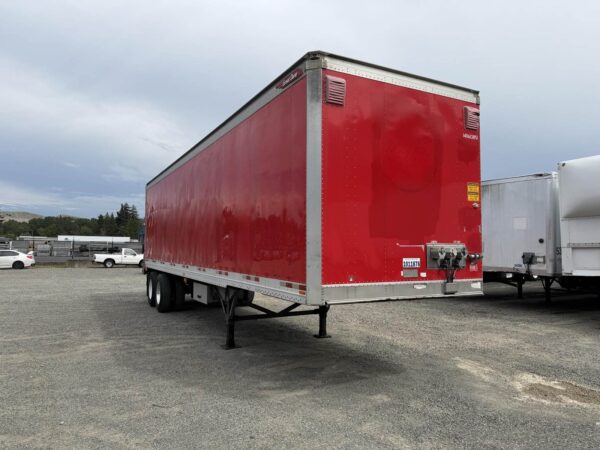
Enclosed trailers offer weather protection and security. They have solid sidewalls, a roof, and a rear door that locks. Inside, you can store tools, materials, or finished products safely. Many contractors use enclosed trailers as mobile workshops. They install shelving, workbenches, and lighting. The enclosed design keeps dust and rain off sensitive equipment. It also hides your gear from view, reducing the chance of theft.
Enclosed trailers come with a variety of door options. A ramp door at the rear makes loading wheeled equipment easy. A side door provides quick access without opening the full rear. Some models have double rear doors for fork truck loading. The downside is weight. Enclosed trailers are heavier than open designs, which cuts into payload capacity and fuel economy. They also require more maintenance, as the interior can trap moisture if not ventilated properly.
Car Hauler Trailers
Car hauler trailers are a subtype of open utility trailers. They are designed specifically to transport vehicles. A typical car hauler has a flat deck, often with a low profile to reduce loading height. Many include a loading ramp that folds or slides out. The deck may have wheel wells to accommodate low-clearance cars. Tie down points are built into the frame at regular intervals. You use straps or chains to secure the vehicle.
Car haulers range from small single-car models to large tandem-axle units that can carry two or more vehicles. Some have a dovetail design, where the rear of the deck slopes down. That makes loading cars with low ground clearance easier. If you transport cars frequently, look for a trailer with a sturdy ramp and a winch. A winch helps pull a non-running vehicle onto the deck. Car haulers can also double as general utility trailers, carrying furniture, building materials, or landscaping supplies. But the deck shape and tie down points are optimized for vehicles, so other loads might require extra securing.
Utility Trailers
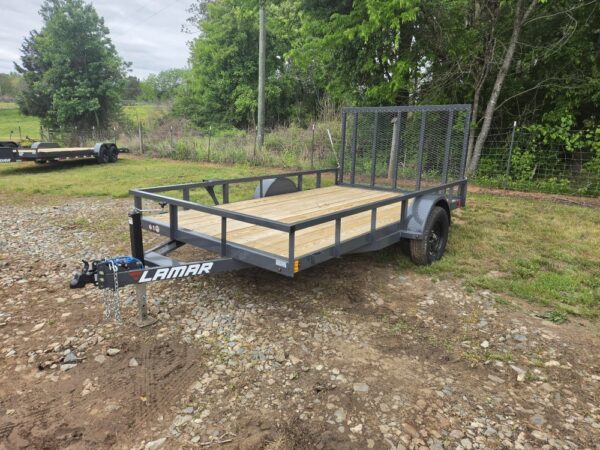
Utility trailers are the most versatile category. They are open trailers with a flat deck or a small box bed. They come in many sizes, from small 4x6-foot models to larger 6x12-foot versions. The deck is usually made of wood or steel. Side rails may be removable or fold down. Some utility trailers have a mesh or expanded metal floor for drainage. Others have a solid wood deck that is easier to clean.
Utility trailers are great for hauling furniture, appliances, yard waste, building materials, and general cargo. They are light and easy to tow. Because they are open, you can load oversized items that would not fit inside an enclosed trailer. The downside is no weather protection. Rain, dust, and road debris can damage sensitive cargo. Also, security is minimal. Anyone can see what is on the trailer, and there is no lockable storage. For many homeowners and light contractors, though, a utility trailer is the most cost-effective option.
Gooseneck Trailers
Gooseneck trailers have a distinctive neck that extends forward from the trailer body and over the tow vehicle's bed. This design lowers the center of gravity and improves stability, especially at highway speeds. Goosenecks are common for heavy loads like large equipment, construction machinery, or bulk materials. The deck is usually a full-length flat surface, often with a beavertail at the rear. Some goosenecks have a deckover design, where the deck sits above the wheels. That eliminates wheel wells and provides a completely flat loading surface.
Goosenecks can carry more weight than bumper-pull trailers of similar length. They also tow more steadily because the weight is distributed over the tow vehicle's axles. However, they require a tow vehicle with a gooseneck hitch, usually mounted in the truck bed. That means you lose some truck bed space. Goosenecks are also more expensive and harder to maneuver in tight spaces. They are best for professional operations that regularly move heavy machinery or large quantities of materials.
Flatbed Trailers
Flatbed trailers are simple: a flat deck on wheels. No sidewalls, no roof. They are used for carrying large, bulky items that do not need weather protection. Common loads include steel beams, concrete pipes, lumber, pallets, and machinery. Flatbeds have tie down points along the sides and often a rub rail to keep straps from sliding off. Some flatbeds have a removable gooseneck or a detachable tongue for easier loading from the front.
Flatbeds are easy to load from any side. You can use a crane, forklift, or ramp. They are also lighter than enclosed trailers, so you can carry more payload for the same gross vehicle weight. The drawback is no security and no weather protection. You also need to secure the load carefully because there are no sidewalls to contain shifting cargo. For many industrial and construction applications, though, a flatbed is the most efficient choice.
Equipment Trailers
Equipment trailers are built for heavy, wheeled machinery like skid steers, mini excavators, tractors, and backhoes. They typically have a low deck height to make loading easy. Many have a dovetail rear or a ramp that folds down. The deck is reinforced to handle concentrated loads from tracks or wheels. Tie down points are extra strong, often rated for several thousand pounds each. Some equipment trailers have a winch to pull non-running machines onto the deck.
Equipment trailers come in both bumper-pull and gooseneck designs. The choice depends on the weight of your heaviest machine. For machines under 10,000 pounds, a bumper-pull equipment trailer often works. For heavier loads, a gooseneck is more stable. Always check the trailer's payload capacity against the weight of your equipment, including any attachments. Overloading is dangerous and illegal.
Specialty Trailers
Beyond the main categories, there are specialty trailers for niche jobs. Dump trailers, for instance, sometimes come with a hydraulic lift that can also tilt the bed to the side, not just the rear. That helps with unloading on uneven ground. There are also trailers with a built-in crane or a conveyor belt for moving materials. These are less common and usually custom-built. If you have a specific need, it might be worth talking to a dealer who understands the options.
Making the Right Choice
Choosing a work trailer comes down to matching the trailer's design to your most frequent tasks. Dump trailers are unbeatable for loose materials. Enclosed trailers protect sensitive cargo. Car haulers simplify vehicle transport. Utility trailers offer flexibility at a lower cost. Goosenecks and flatbeds handle heavy or oversized items. Equipment trailers handle heavy machinery.
Think about the weight you will carry, the dimensions of your typical load, and whether you need weather protection. Also consider your tow vehicle's capacity. A trailer that is too heavy for your truck is unsafe. Check the gross vehicle weight rating (GVWR) and the trailer's empty weight. The difference is your payload. Leave some margin for safety.
If you are unsure, visiting a site like eliteplustrailers.com can give you a sense of the range available. You can compare different types side by side. Reading about each trailer's features helps clarify what matters for your work. A good dealer will ask about your typical loads, your tow vehicle, and your budget. They can point you to the most suitable options without pushing you into something you do not need.
Ultimately, the right work trailer saves you time and effort. It makes your job easier and safer. Take the time to understand the differences. Your back will thank you. And if you ever need to move a load that does not fit your trailer, remember that renting a specialized unit for a single job can be smarter than buying something you rarely use. Buying used is also an option, but inspect carefully for rust, structural damage, and worn-out hydraulics. A well-maintained trailer can last for decades.
For a broad overview of work trailers and to see what different models offer, eliteplustrailers.com is a good starting point. They list many types, from dump trailers to enclosed models, so you can get a feel for what fits your operation. The key is to match the tool to the task. With the right trailer, every job site becomes more manageable.
Ends · TRAILERFIELDNOTES